Across multiple continents in recent years, members of Generation Z - roughly those born between the late 1990s and early 2010s, have emerged as a visible force in political mobilization. Shared tools of social media, high rates of youth unemployment or underemployment in many countries, perceptions of elite corruption or unresponsiveness, and rapid information sharing have contributed to protests and electoral shifts. Outcomes have varied where some movements toppled governments or forced policy changes, others produced limited concessions, continued unrest, or questions about sustainability. While these movements are sometimes grouped together as a global "Gen Z wave", their causes and political objectives vary considerably. The distinction is important. There is no single Gen Z political ideology. Instead, what is emerging is a generation increasingly willing to participate in public affairs through methods that can sit outside traditional party structures.
The Rise of a Digital Generation
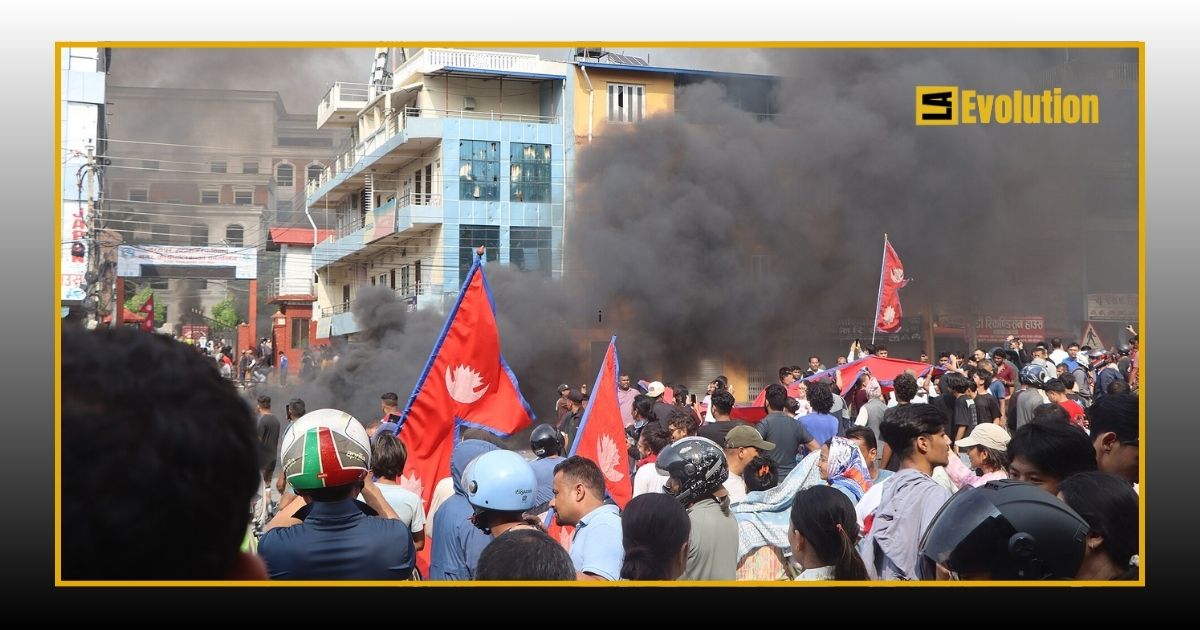
In Nepal, protests widely described as Gen Z-led erupted in early September 2025. A government decision to ban multiple social media platforms, combined with long-standing grievances over corruption, nepotism (often framed online around “nepo kids”), unemployment, and political instability, drew large numbers of young people into the streets of Kathmandu and other cities. Clashes with security forces resulted in dozens of deaths and thousands injured. Government buildings, including parliament, were set on fire, residences of senior politicians were targeted. Prime Minister K.P. Sharma Oli resigned on 9 September 2025. An interim government under former Chief Justice Sushila Karki, Nepal’s first woman prime minister, was formed after consultations involving protesters (including online discussions on platforms such as Discord), the army, and the president. Parliament was dissolved, and elections were scheduled for March 2026.