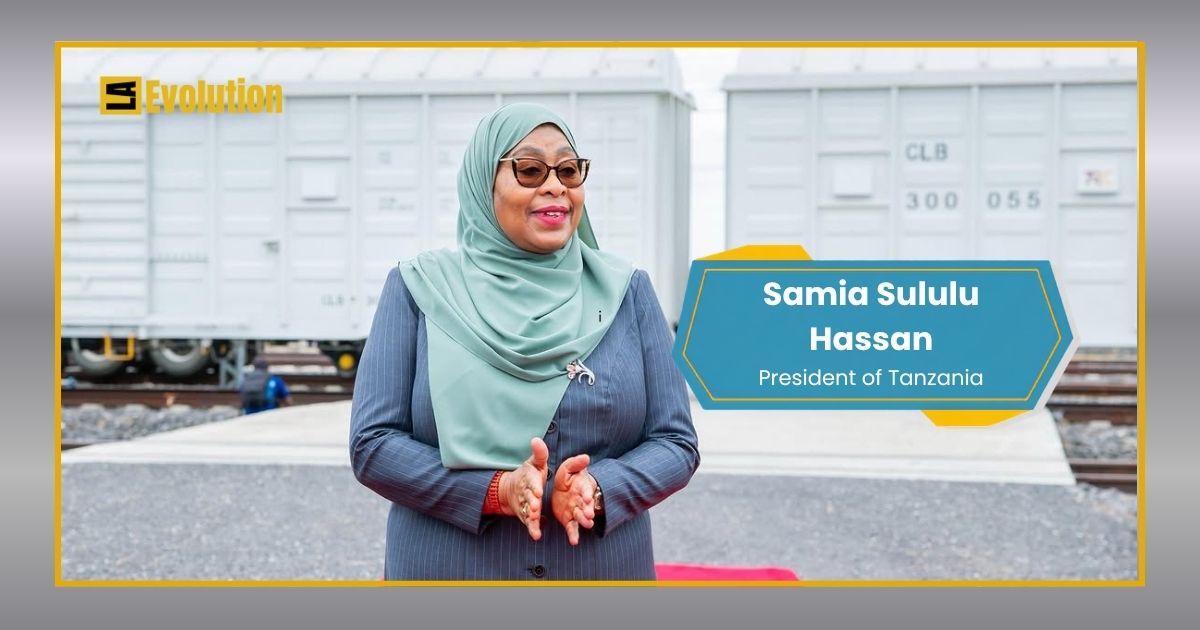
Samia Suluhu Hassan's presidency is historically significant because she became Tanzania's first woman president after taking office in March 2021. Tanzania's State House describes her as the country's sixth president and records her earlier roles as vice-president, minister and parliamentarian. Her career therefore represents more than a symbolic breakthrough: it is an example of a woman reaching the highest constitutional office in a major East African state through a long political career.
Key Questions
Her leadership should be examined through two connected questions: what does her presidency mean for women's political power, and what has her government actually done? Representation can change perceptions of who can lead, but gender equality also depends on laws, institutions, economic opportunity, education, access to assets and participation at many levels.
Government Focus
Her government has emphasized economic growth, infrastructure, investment, regional integration and a more open political approach than the administration immediately preceding hers. The African Development Bank describes her administration as focusing on democratic and civic space, regional integration and private-sector-led growth.
Contested Politics
At the same time, Tanzania's political trajectory remains contested. The 2025 election produced an official landslide for Hassan, but international observers and rights organizations raised serious concerns about opposition exclusion and the conduct and aftermath of the election.