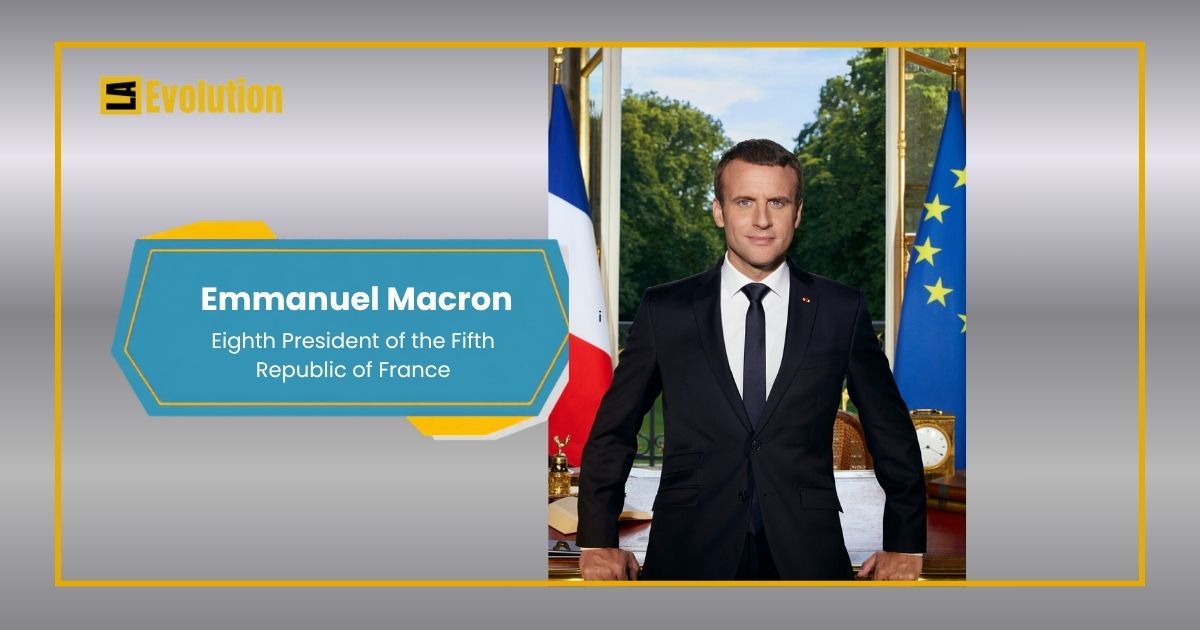
France can remain a leading European and international power after Emmanuel Macron, but its ability to do so will depend less on reproducing Macron personally than on whether France preserves and strengthens the underlying capabilities that make it influential: a major economy, a permanent seat on the UN Security Council, nuclear deterrence, a global diplomatic network, a substantial military, an advanced industrial base, a large domestic market, and the ability to shape European Union policy. Macron has placed particular emphasis on European strategic autonomy, defence, industrial sovereignty, AI and technological capacity, and a stronger Franco-German relationship. Several of these initiatives are institutional rather than personal and can therefore outlast his presidency.
Fiscal Pressures
At the same time, France enters the post-Macron period with significant constraints. Political fragmentation has made governing more difficult, while public debt, deficits, modest growth and rising debt-servicing costs reduce fiscal room. The IMF has described the French economy as resilient but facing high deficits, modest growth and substantial downside risks. In September 2026, the government cut its 2026 growth forecast to 0.5%, while Reuters reported that debt servicing was expected to reach €65 billion. These conditions matter because diplomatic and military ambition ultimately requires economic capacity.
Political Disruption
The central issue is therefore continuity versus political disruption. France does not need Macron personally to remain influential; it does need a sufficiently stable government, credible fiscal strategy, productive investment, defence capacity and an effective European coalition. Whether those conditions survive the 2027 presidential transition will shape the scale of French influen