Across fintech, SaaS, and enterprise infrastructure, Indian female founders are reshaping the digital economy through scalable technology systems and globally competitive innovation.
There was a time when India’s technology reputation abroad was built almost entirely around outsourcing. The country became known for engineering talent, software support, and massive operational capability serving global corporations.
NEW ARCHITECTS
Across India, a new generation of women founders is building companies that sit at the centre of the digital economy rather than at its edges. Their businesses operate across payments, enterprise software, logistics infrastructure, cloud systems, and digital commerce. Many of these companies are no longer trying to prove that Indian startups can exist. They are trying to prove they can endure.
MARKET EVOLUTION
The shift has happened alongside India’s rapid digital expansion. Over the last decade, digital payments became mainstream, smartphones reached deeper into smaller cities, and businesses across sectors moved aggressively online. Technology is now embedded into everyday commercial life in ways that would have seemed unlikely only a few years ago.
Building a serious technology company today requires much more than visibility or marketing strength. Founders are expected to think about infrastructure, systems stability, consumer behaviour, engineering resilience, logistics, compliance, and scale simultaneously. In many ways, the glamour surrounding startup culture has faded, replaced by a far more operational reality.
SCALING SYSTEMS
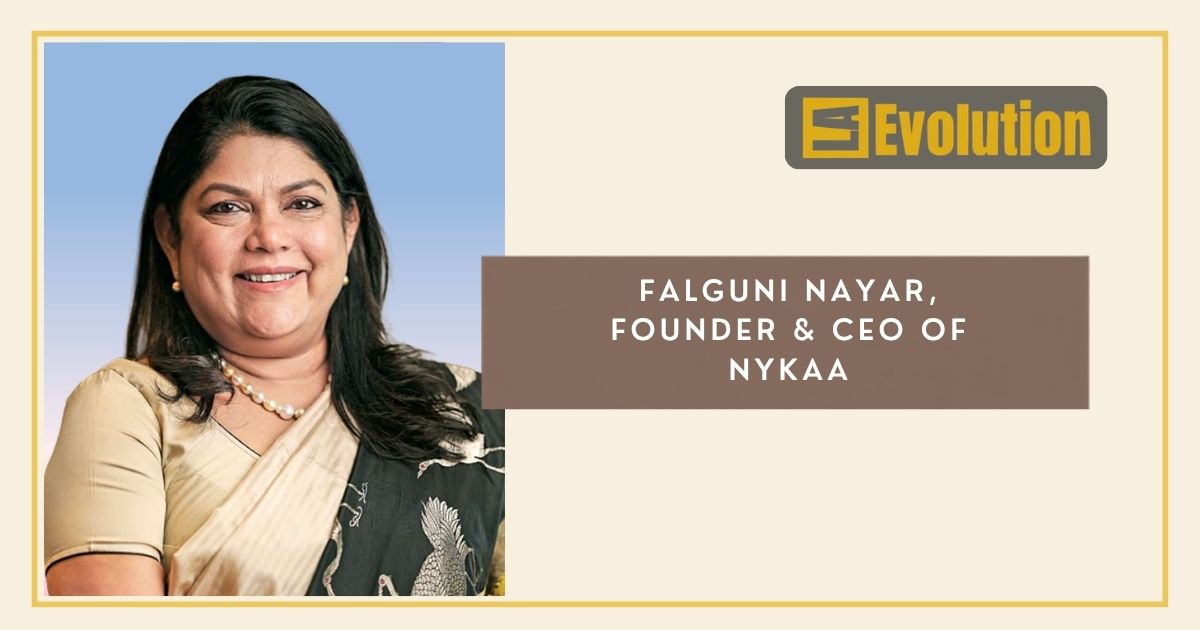
Among the defining figures of this transition is Falguni Nayar, founder & CEO of Nykaa, whose rise from investment banking into technology-led commerce helped reshape India’s premium digital retail landscape. Speaking during the FICCI FLO Assembly: Startup to Stalwart, Nayar reflected on the origins of the company’s long-term vision:
“The seed of entrepreneurship in my life was implanted during my career as an investment banker. As I was looking for ideas, I recognized that beauty was a critical yet heavily underrated segment in India. The vision was a combination of my belief in the sector, building a multi-branded retail framework, and supporting it through a complex online business model.”
Navigating Technicalities
Nayar herself openly acknowledged the technological growing pains that shaped Nykaa’s eventual scale:
“In our early stages, we deployed the Magento platform as our foundational e-commerce architecture. We faced immediate, systemic challenges in bending that technology to scale the business to our required volumes. Today, surviving those technology bottlenecks is what allowed us to build an industry-defining market leader.”
It is an unusually candid observation because it focuses on architecture and systems pressure rather than branding. That perspective increasingly defines India’s stronger technology businesses. Investors and founders alike are paying closer attention to sustainability, scalability, operational durability, and long-term execution instead of growth alone.
FUTURE ECONOMIES

The same long-term thinking is visible within India’s new generation of consumer-tech and SaaS leadership. Ghazal Alagh, co-founder and chief innovation officer, Honasa Consumer, highlighted the dangers of allowing growth-stage momentum to limit future innovation. In an official statement published on Honasa Consumer’s platform, Alagh stated:
“The biggest threat to long-term growth isn't losing consumers. It's allowing your product roadmap to be entirely defined by the needs of your past growth cycle. Your current best consumers got you here. Your future consumers will fuel your next stage of growth.”
POWER NETWORKS
This transformation is visible across fintech and SaaS, where Indian companies now compete through backend capability, automation, platform integration, and infrastructure efficiency.
At the institutional level, India’s technology sector has also become more influential globally. Organisations such as NASSCOM continue to position the country as a major centre for enterprise software, AI integration, fintech infrastructure, and digital services.
THE FOUNDATIONS
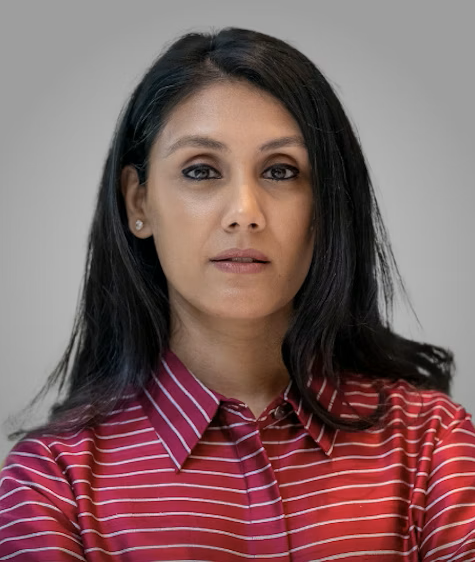
Leaders such as Roshni Nadar Malhotra, Chairperson, HCLTech, represent a wider shift in corporate influence within India’s technology sector.
What makes this moment significant is not simply the rise of women-led businesses. It is the fact that many of these founders are now helping shape the systems through which modern commerce operates. Payments, consumer platforms, logistics architecture, digital infrastructure, and enterprise operations are all being influenced by companies they helped build.
India’s female technology leaders are no longer being defined by participation alone. They are becoming part of the country’s economic infrastructure itself.