When the boundary between professional demands and personal time dissolves, stepping away becomes the most productive move a leader can make.
The boundary between "working" and "living" has pretty much completely dissolved. If you’re leading a team or running a business, you may have tricked yourself into thinking that being reachable 24/7 is a sign of productivity, but it’s actually just a fast lane to total burnout. Between the relentless ping of messages, endless meetings, and that nagging, subconscious need to scroll through social media and compare our highlight reels to everyone else’s, it’s no surprise we’re all running on empty. We keep grinding because that’s just how the game is played, but if we’re being honest with ourselves: is this actually working?
When we exist in a state of perpetual, notification-driven anxiety, our capacity to innovate, empathize, and plan for the long term begins to fracture. The modern workplace demands our relentless attention, yet this pressure is ironically what makes us less capable of navigating the complex, high-stakes challenges that define global leadership today.
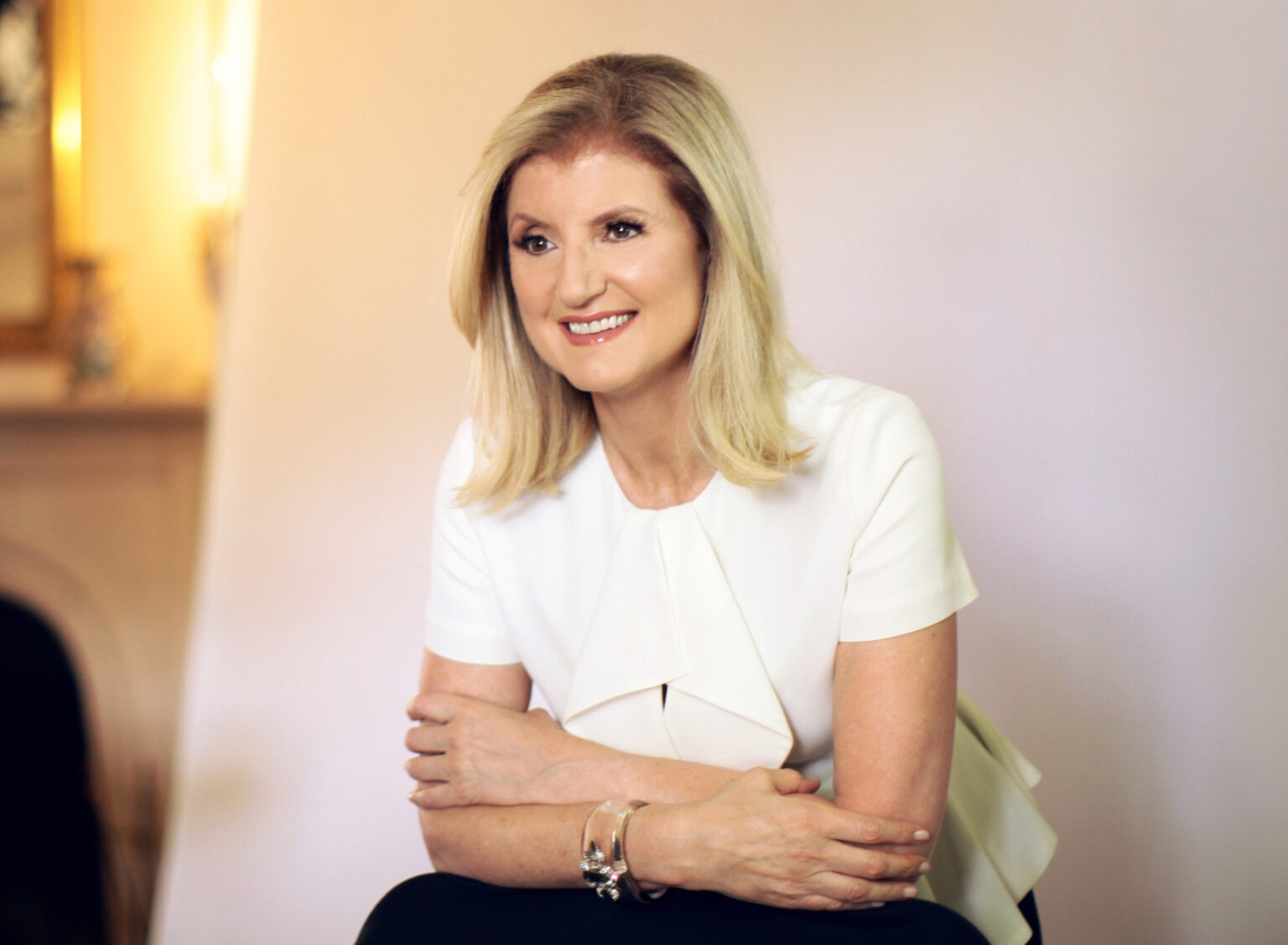
Arianna Huffington, founder and CEO of Thrive Global, put it bluntly in an expert perspective on sustainability and human connection featured on the company’s digital journal: “When we’re burned out, exhausted and depleted, we operate on short-termism and day-to-day survival, just trying to get through the day, or even just the next hour. We’re not just less able to create new and more sustainable habits, we’re also unable to think about the future, make the wisest decisions for the long term and come up with creative and innovative solutions to complex challenges — like climate change. We’re much less likely to spot the iceberg before it hits the Titanic”.
The real fix isn't another app; it is finding a way to step back. We need environments that force us to pause and recalibrate. It isn’t just about the luxury of a quiet space—it is about finding an environment where silence and nature can act as a circuit breaker for an overstimulated brain.
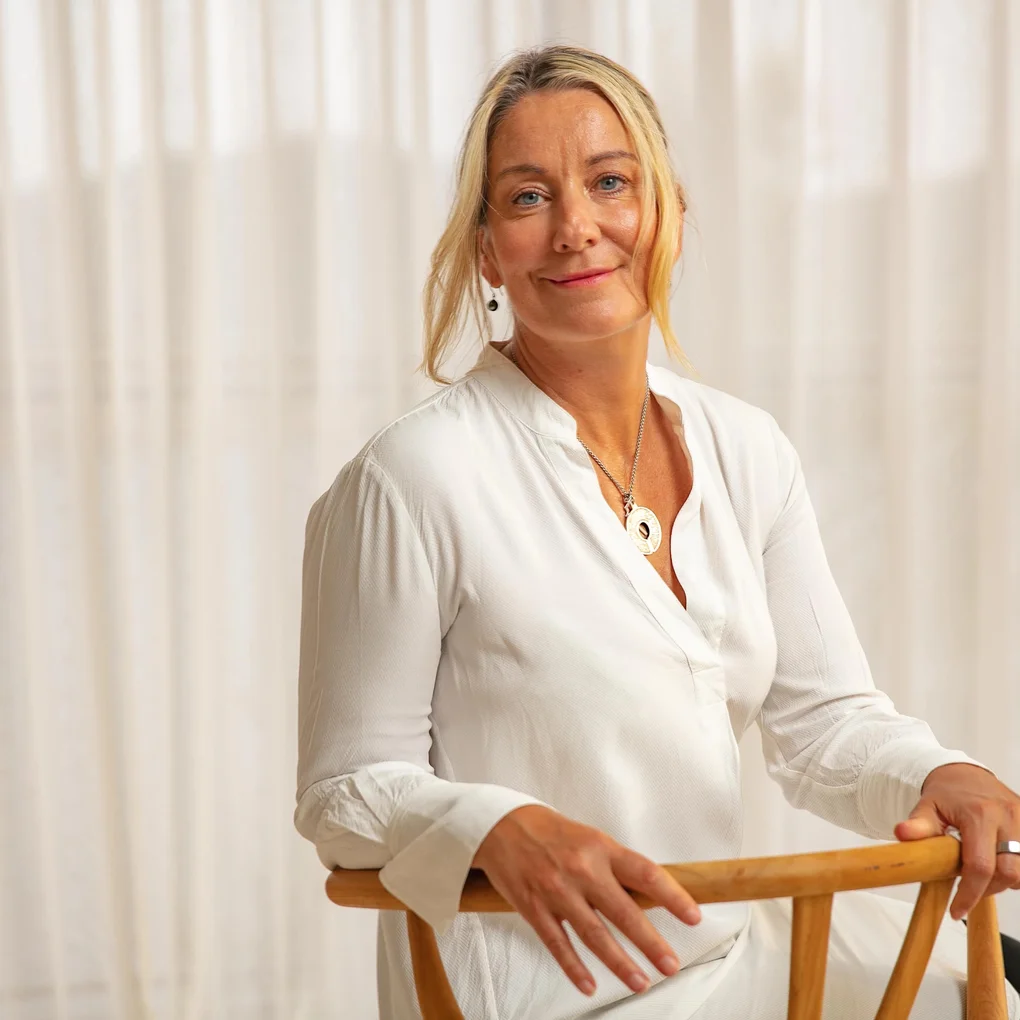
However, a retreat only works if you do the work. As Anna Bjurstam, Wellness Pioneer at Six Senses, noted in an official company feature: “We can build the stage and, to a certain extent, like a DJ at a summer festival, build the energy, but the performance is up to you. We simply want you to leave in a better place than when you arrived, having found some kind of insight that will help you bring that experience back to your everyday life, if you're so inclined”.
The point of this isn't just to rest; it’s about longevity. If the change doesn't stick once you return to your desk, the time away was wasted. Bjurstam adds: “The power of a transformational experience is to hold on to it once you go back to your life, so it doesn’t pass you by. After all, it’s not transformative unless it stays with you”.
For leaders today, a digital detox is a strategic necessity, not a luxury. By stepping away from the screen, you don't just clear your head—you regain the clarity required to lead with vision instead of just surviving the week.
Pro-Tip for Lasting Change: If you want to keep the benefits of your detox, treat the first 48 hours back at the office as a protected "re-entry phase." Do not turn your notifications back on immediately. Use the space you gained to prune the low-impact tasks that usually clutter your calendar. Protect that clarity, because that is how you ensure the transformation stays with you.