Redefining luxury: Where heritage, consciousness, and contemporary design meet through the vision of Nepali women.
Nepal’s textile history was long perceived as 'local craft’; loved for its charm but isolated from global high fashion. That is changing. A new wave of female entrepreneurs is stepping in, taking those ancient, deeply rooted traditions and giving them a fresh, sophisticated edge that the world is finally ready to pay attention to.
Ancestral Threads, Modern Silhouettes
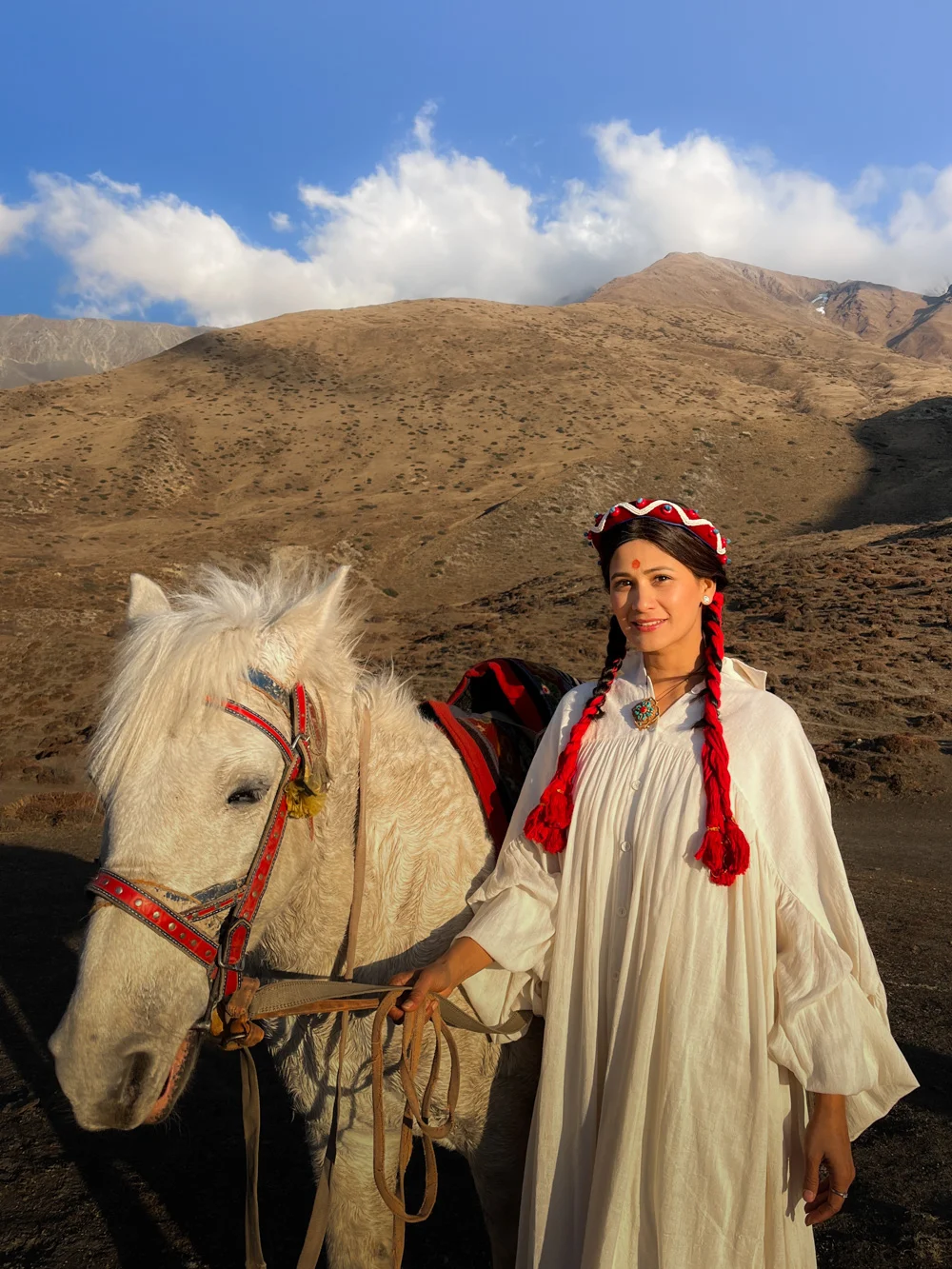
Everything here starts with the material. Whether it’s wild nettle (Allo), hemp, or the softest Chyangra pashmina, these fibers were once the tools of survival in high-altitude villages. Now, they are being transformed.
Designers are heading into remote areas like Mustang and Dolpa, working side-by-side with women who have been at the loom for generations. They aren’t just handing out instructions; they are collaborating. The result is clothing that feels heavy with history but looks perfectly at home on a city street or a high-end runway. It is that friction between the past and the present that makes these pieces stand out.
Conscious Capital and Ethical Preservation
This creates a cycle that actually works. By treating these textiles as high-value, limited pieces, these founders ensure that the money isn’t lost to middle-men or mass-production overhead. It goes straight back to the people who are keeping the craft alive. It is a model where tradition and profit finally start to speak the same language.
Curating a New Himalayan Aesthetic
Kathmandu is turning into a hub for this kind of work. It is moving beyond a "charitable" feel and becoming a serious business proposition. To understand the vision driving this, it’s worth hearing from the women who are actually building these brands.
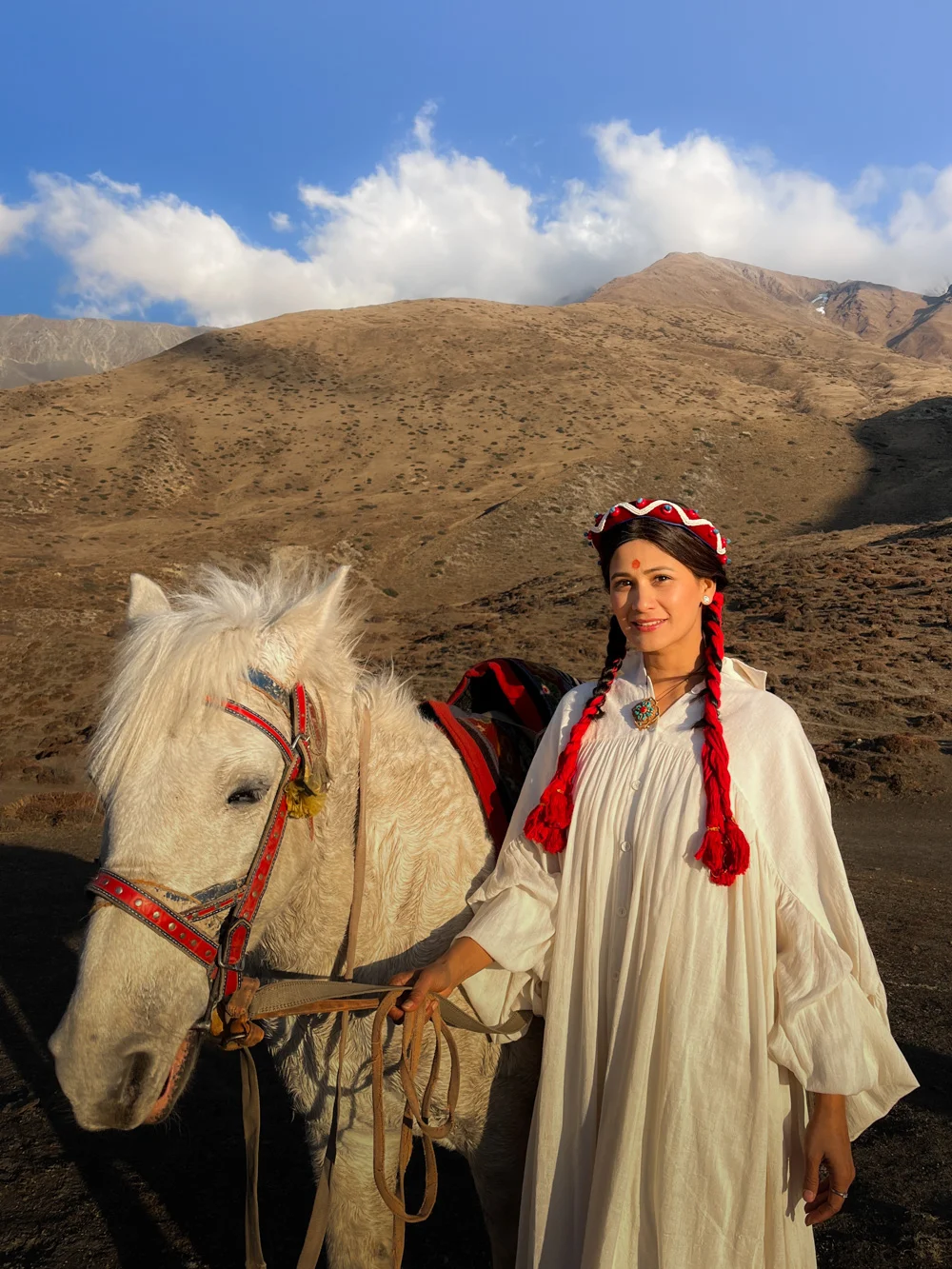
Shavona Shrestha, Owner of Jijivisha Nepal, states on her brand platform:
“The realization that, without intervention, these skills could disappear forever motivates her to ensure through Jijivisha that the craft lives on. She has thus made a conscious effort to involve these master weavers in creating Jijivisha's masterpieces. It is also her way of placing Nepal's fabric and design on the global stage, staying rooted while looking outward, and building a future where craft and consciousness go hand in hand.”
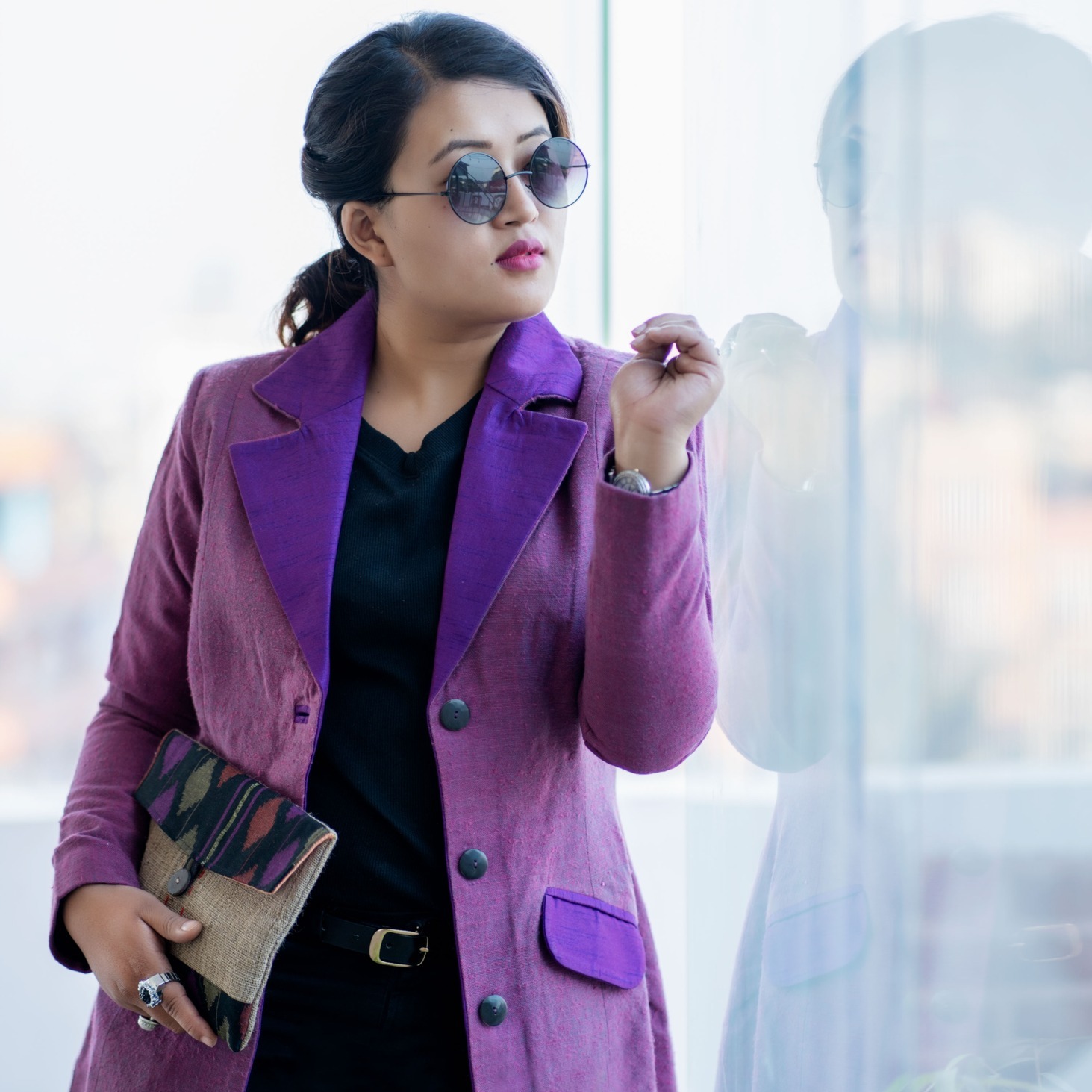
Rashmi Tandukar, Founder & Creative Director of The Nhu Designs, outlines in her brand’s online manifesto:
“Her mission is to make sustainability a lifestyle choice while creating opportunities for women artisans and raising awareness about fashion waste across Nepal and beyond. Through innovative upcycling, clothing swap campaigns, and community collaborations, Rashmi is redefining the impact of fashion on the planet.”
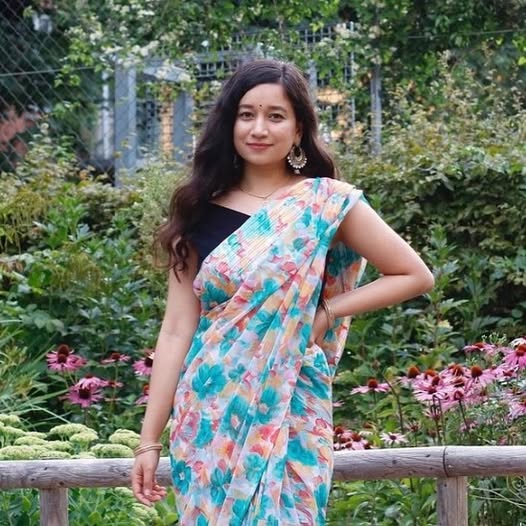
Manisha Shrestha, Founder of DIMAICHA, notes in her corporate charter:
“DIMAICHA is a sustainable fashion brand that works towards reducing the global fashion waste problem by working with circular designs and empowering Nepalese women by providing fair jobs. The founder was born and raised in Nepal and saw a need to empower Nepalese women and make them financially independent. Thus, DIMAICHA works with Nepalese female entrepreneurs who run sustainable businesses, hiring mostly underprivileged, home-based women and pay fair wages, empowering them to contribute to both our environment and the society we live in.”
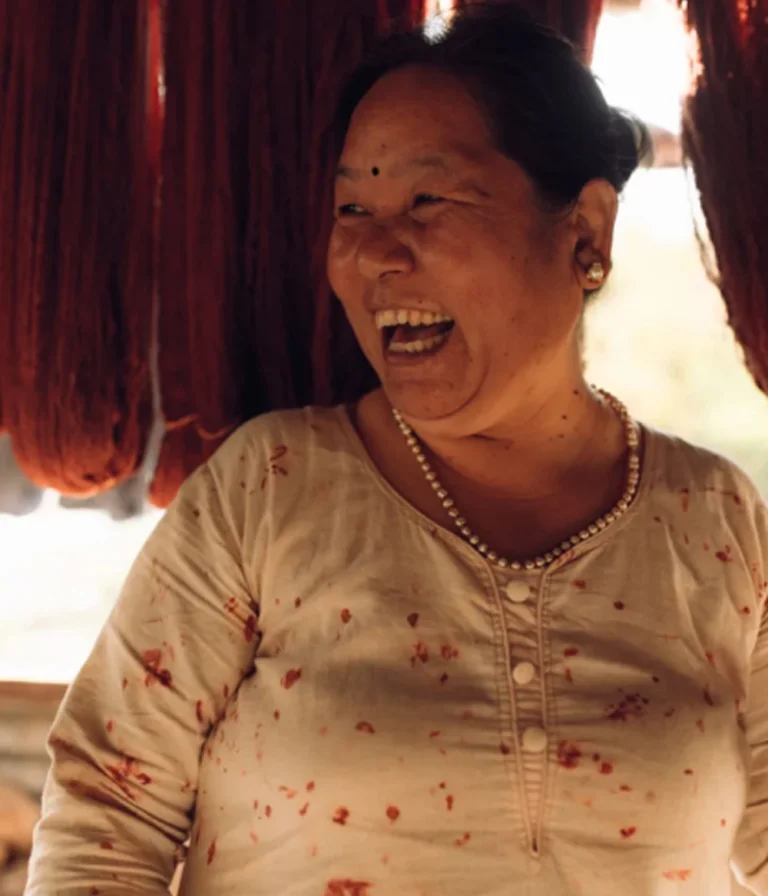
Finally, the movement wouldn't exist without the people at the looms and dye vats. Shanti, a Master Natural Dyer at Jijivisha Nepal, shared her perspective within the brand's artisan spotlight area:
“I have been in this business for about 13 years. I started this after I received training from an organization called BSC (Business Service Center). The training was given to other women as well, but I survived the challenges until now. I would like to call myself a modern Nepali natural dyer as we practice natural dye in a traditional way, but with a modern color palette. I love what I’m doing. Contributing socially as well as environmentally. I would like to thank Jijivisha for giving us an opportunity to work with the team, and also appreciate them a lot for supporting conscious living.”
This is more than a trend; it is a shift in how we value craft. By turning artisans into partners, these founders aren't just making clothes—they are securing the future of their own heritage.