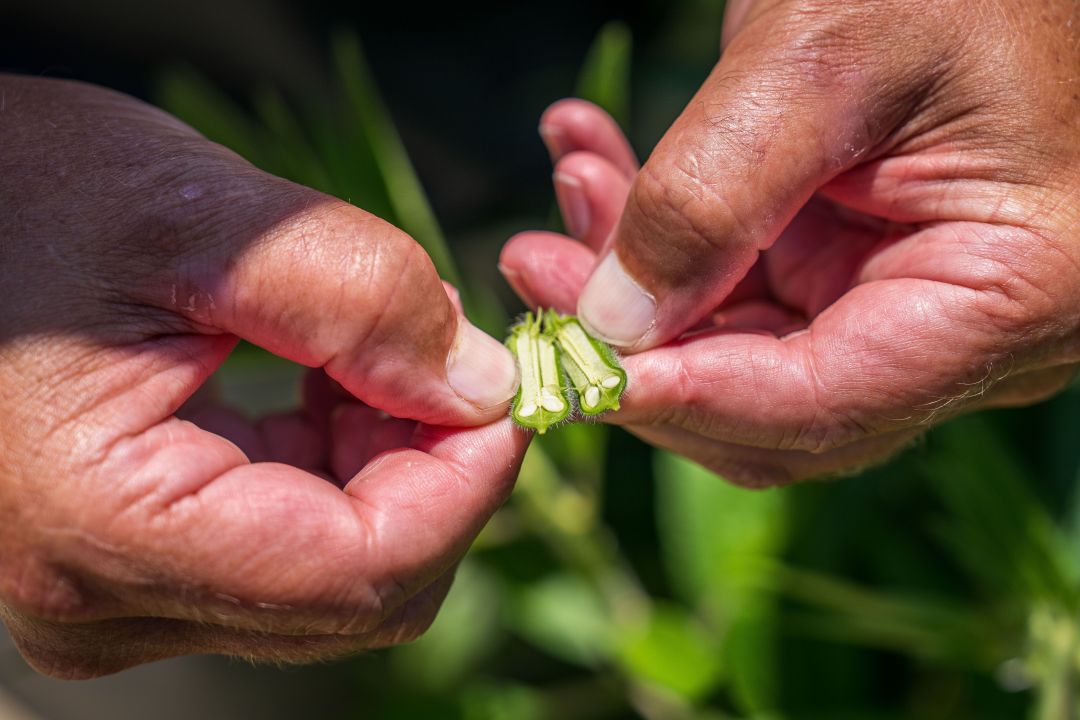
From coffee farms and honey producers to food entrepreneurs and producer associations, women are taking a larger role in the business side of Mexican agriculture.
Agriculture is woven into everyday life across much of Mexico. Coffee in Chiapas. Vanilla in Veracruz. Honey in Yucatán. Avocados in Michoacán. Different products, different regions, but often the same challenge: how to earn more from what is produced.
For many producers, the answer is no longer simply growing more. It is finding better ways to sell, market, organise, and build a business around the product itself. That has made producer networks increasingly important.
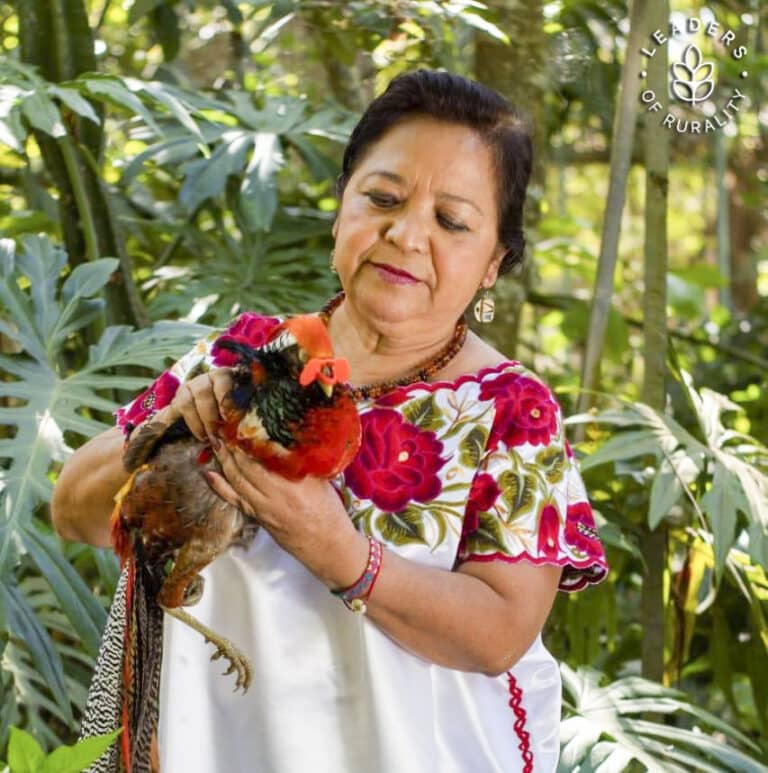
Juana García Palomares, founder of Mexico's National Association of Rural Women Entrepreneurs, notes that women constitute 43% of the labour force within Mexico's food production sector. She highlights a persistent disparity in institutional support between genders that leaves female producers vulnerable. To address this systemic gap, she explains that producers turned to collective organisation, leading to the 2017 founding of the Asociación Nacional de Mujeres Empresarias del Campo (National Association of Rural Women Entrepreneurs), which now encompasses 127 entities and 9,000 members across all 32 Mexican states. The Association works to ensure that food products meet rigorous standards for quality and environmental sustainability. In recognition of her contributions to rural development and sustainable food production, the Inter-American Institute for Cooperation on Agriculture (IICA) named García Palomares a "Leader of Rurality" in May 2022.
Anyone who has worked in business knows that access matters. Access to information. Access to buyers. Access to financing. Access to people who have already solved the problems you are facing. That is one reason organisations focused on entrepreneurship continue to attract attention across Latin America.

Carmen Correa, CEO of Pro Mujer, asserts that women are at the center of community development and well-being as powerful agents of change. She maintains that if a woman has the opportunities she needs, her entire environment benefits and generates an impact. She emphasizes that the organization works to develop appropriate tools and services to empower all women, from their diverse interests and backgrounds. This commitment was recognised when she was named a 2023 Google.org Leader to Watch, an occasion celebrating her leadership in fostering community-level economic autonomy.
Agriculture is often discussed through exports, yields, and production figures. Those numbers matter. But behind them are thousands of business decisions made every day by producers, entrepreneurs, and organisations trying to create stronger enterprises.
In communities across Mexico, that work is taking many forms. Some are focused on quality. Others on market access. Others on organisation. Different approaches, but a similar goal: creating more opportunity from the value that already exists close to home.

-(1).webp)