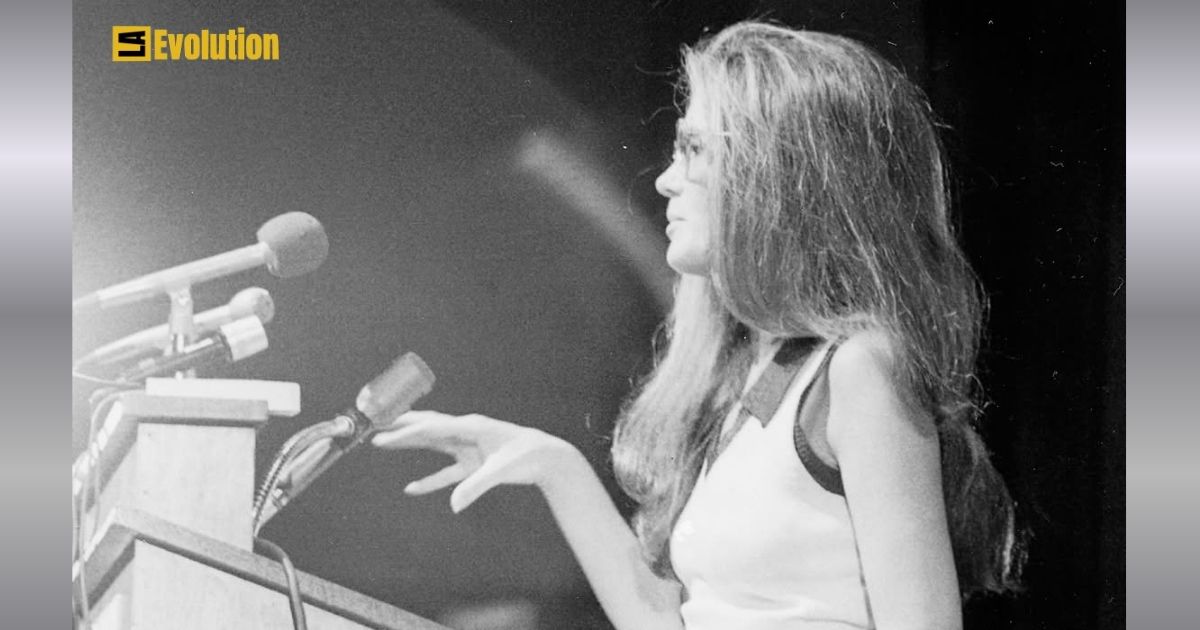
Yes. The women’s movement can carry on without Gloria Steinem—and, in an important historical sense, whether it can do so successfully depends on whether her legacy is understood as something to be continued rather than something to be personally preserved.
Steinem died on September 2, 2026, at age 92. Her death marks the end of an extraordinary individual career, but it does not mark the end of the institutions, publications, organising networks, ideas, and generations of activists associated with her work. The National Women’s History Museum describes her as one of the most visible leaders of the modern women’s rights movement, while Ms. and the Women’s Media Center emphasize that she repeatedly understood feminism as collective work rather than the achievement of one individual.
The more interesting question, therefore, is not simply "Can feminism survive without Steinem?" It is:
What happens to a movement when one of its most recognizable architects is no longer there—and what parts of her work are strong enough to continue without her?
An Unusual Position
For more than five decades, Steinem occupied an unusual position. She was simultaneously a journalist, author, public speaker, organiser, media figure, institution-builder, and highly recognizable representative of feminism. That combination made her particularly valuable to a movement often fragmented across different organisations and generations.